
Compliance with the General Data Protection Regulation (GDPR) has become a major challenge for businesses, primarily due to the significant consequences of non-compliance. On the one hand, there are severe risks and penalties, and on the other, compliance with the GDPR brings distinct benefits.
Choosing the Best GDPR Compliance Software: A Complete Guide for Businesses
The General Data Protection Regulation (GDPR) represents a crucial turning point in the regulation of personal data management. Coming into force on May 25, 2018, in the European Union, the GDPR aims to strengthen and unify data protection for all individuals within the EU. This regulation imposes strict standards on businesses and organizations regarding the collection, storage, processing, and protection of personal data.
There GDPR compliance is not only a legal obligation, but also a strategic necessity for businesses. By adhering to the principles of the GDPR, companies demonstrate their commitment to privacy and thus gain the trust of their customers. This trust has become an essential factor in a world where concerns about data security are omnipresent.
The GDPR is based on several fundamental principles, such as transparency, purpose limitation, data minimization, accuracy, retention limitation, integrity, and confidentiality. Companies must not only ensure that their data processing practices comply with these principles, but they must also be able to demonstrate this compliance.
Non-compliance with the GDPR can result in severe penalties, including fines of up to €20 million or €41 billion of global annual revenue, whichever is higher. Beyond the financial consequences, non-compliance with the GDPR can also damage a company's reputation, leading to a loss of trust from customers and business partners.
In conclusion, the GDPR is not just a series of regulatory constraints; it is an opportunity for companies to strengthen their credibility and accountability in data management. Implementing GDPR-compliant processes and systems is therefore a strategic investment for any company concerned about its sustainability and reputation.
The Need for GDPR Compliance for Businesses: Risks, Penalties and Benefits
Risks and Sanctions in Case of Non-Compliance with the GDPR
Companies that fail to comply with GDPR standards face significant risks. Financial penalties are severe: fines can be as high as €20 million or €41 billion of global annual revenue, whichever is higher.
However, the consequences are not limited to financial aspects. A company's reputation can be seriously affected, leading to a loss of trust from customers and business partners. This erosion of trust can have long-term repercussions on the company's viability.
The Importance of Creating Quality Content
There GDPR compliance not only provides protection against the risks mentioned above. It also offers tangible benefits. GDPR-compliant companies benefit from a positive image, strengthening consumer trust in their data management practices. This trust is essential for retaining customers and attracting new business.
Additionally, compliance encourages more structured and secure data management, improving operational efficiency. Streamlined processes and optimized data management practices can also lead to cost reductions.
The Importance of Creating Quality Content
Effective communication about GDPR compliance requires creating quality, informative, and regularly updated content. Using relevant keywords related to GDPR and compliance software is crucial to improving content visibility and accessibility.
Well-worded headlines and engaging content will help educate and inform readers about the importance of GDPR compliance, thereby strengthening the company's online presence and authority in the field.
Complete Overview of GDPR Compliance Software: Solutions and Selection Criteria
Dedicated software plays a crucial role in complying with the General Data Protection Regulation (GDPR). These software solutions are designed to help businesses manage and protect personal data while ensuring compliance with regulatory requirements. Their use has become a necessity in an environment where data security is paramount.
Overview of GDPR Compliance Software Solutions
There are a variety of GDPR compliance platform, each offering specific features tailored to different business needs. These software can be classified into several categories:
Data Audit and Mapping Tools: These tools help businesses identify and map the personal data they process. They provide an overview of how data is collected, stored, used, and shared.
Consent Management Solutions: These software tools help manage user consent efficiently, ensuring that businesses obtain and record consent in a GDPR-compliant manner.
Data Subject Request Management Tools: These tools facilitate the management of requests for access, rectification or deletion of personal data by the individuals concerned.
Data Incident and Breach Management Solutions : These software programs help detect, record, and manage data breaches, a crucial aspect of GDPR compliance.
Training and Awareness Platforms: These solutions offer educational resources to train employees on GDPR and data management best practices.
When selecting GDPR compliance software, several criteria should be considered to ensure that the chosen tool meets the specific needs of the business:
Full Compliance : The software must cover all aspects of GDPR, ensuring that the company complies with all regulatory requirements.
Ease of Use: Good software should be intuitive and easy to use, even for users who are not data protection experts.
Integration with Existing Systems : It is important that the software can be easily integrated with the company's existing IT systems for smooth and efficient data management.
Flexibility and Scalability: The software must be able to adapt to changing regulations and evolving business needs.
Security and Confidentiality: The chosen solution must offer solid guarantees in terms of data security and confidentiality.
Support and Assistance: Good software should be accompanied by responsive and knowledgeable customer support to help resolve issues and answer questions.
Criteria for Selecting Good GDPR Compliance Software
Creating Quality Content on GDPR Compliance Software
Creating quality content is essential to effectively communicate about GDPR compliance software. This content must be informative, well-structured, and regularly updated to reflect the latest developments in GDPR and software solutions.
Using relevant keywords such as “GDPR compliance software,” “personal data protection,” “GDPR solutions,” and “data security” helps improve SEO and attract a targeted audience interested in these topics.
THE GDPR compliance software are essential tools for businesses wishing to comply with GDPR requirements. Choosing the right software depends on many factors, including the nature of the business, the size of the database, and the specifics of the data processing operations. Careful selection and effective use of these software can greatly facilitate GDPR compliance, while strengthening data security and customer trust.
Key Features of GDPR Compliance Software: Optimizing Personal Data Management
THE GDPR compliance software have become essential for businesses concerned with complying with data protection regulations. These tools offer a range of key features that help manage personal data securely and compliantly. Here's a detailed look at the essential features of these software programs and practical examples of their use.
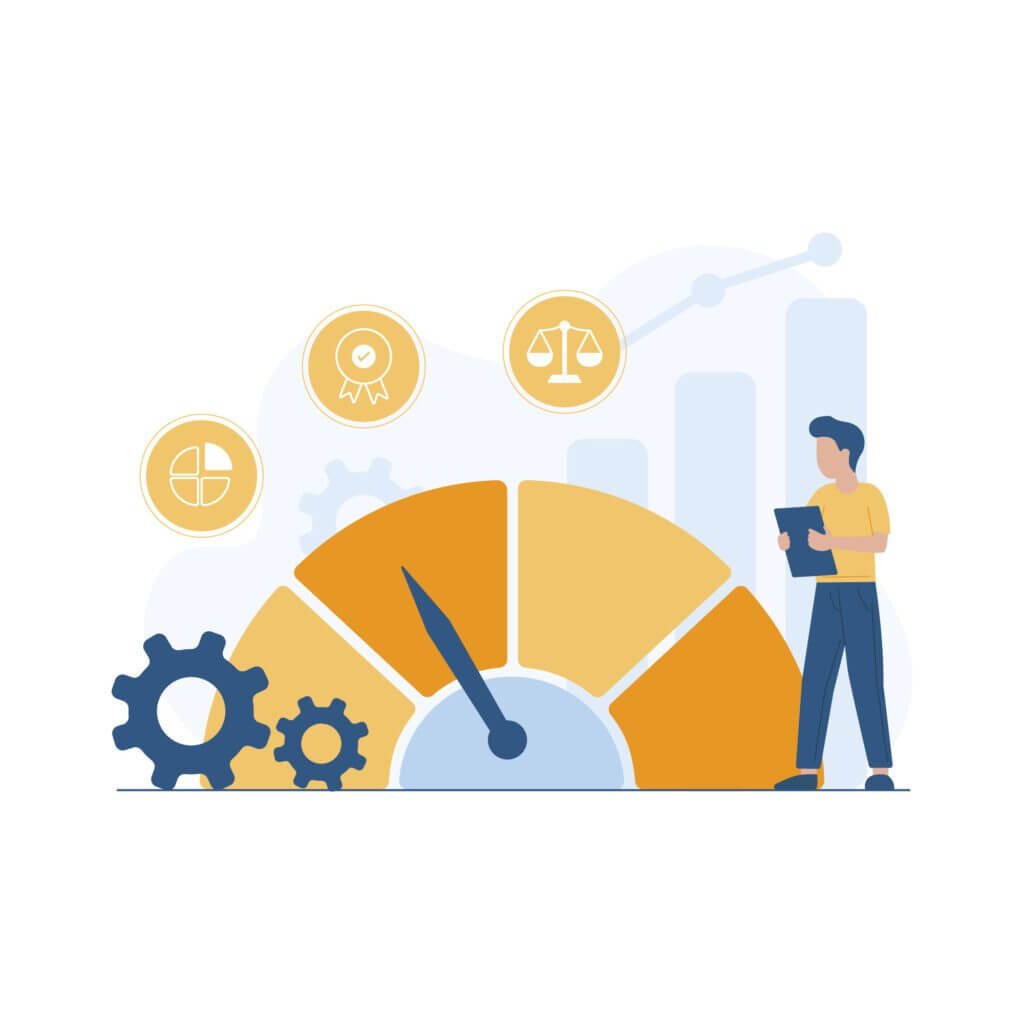
1. Consent Management
One of the fundamental requirements of the GDPR is the proper management of consents. GDPR compliance software allows companies to:
- Collect user consent in a transparent and compliant manner.
- Maintain a history of consents to demonstrate compliance in the event of an audit.
- Facilitate the revocation of consent, allowing users to easily withdraw their agreement.
Practical example: An e-commerce site uses GDPR software to display personalized consent notifications, collect user responses, and store this information for future reference.
2. Monitoring of Personal Data
Tracking personal data is crucial to ensure its secure and compliant processing. GDPR software offers features such as:
- Data mapping to identify where and how personal data is stored and processed.
- Real-time monitoring of processing activities to detect any non-compliant use.
- Detailed data processing reports for compliance audits.
Practical example: A service company uses GDPR software to track the flow of customer data across different departments, ensuring that all uses comply with GDPR standards.

3. Management of Data Subject Requests
Under the GDPR, individuals have the right to access, rectify, or request deletion of their data. GDPR compliance software helps:
- Automate the response to requests for access, rectification and deletion of data.
- Ensure prompt and compliant processing of these requests.
- Document responses to demonstrate compliance in the event of an inspection.
Practical example: A hospital uses GDPR software to efficiently manage requests from patients wishing to access or correct their medical records.
4. Data Protection Impact Assessment (DPIA)
DPIAs are mandatory for processing operations that are likely to pose a high risk to the rights and freedoms of individuals. GDPR software facilitates:
- Carrying out DPIAs to assess the risks associated with data processing.
- Documentation of measures taken to mitigate these risks.
- Integrating DPIAs into planning and decision-making processes.
Practical example: A digital marketing company uses GDPR software to perform DPIAs before launching new advertising campaigns involving personal data.


5. Employee Training and Awareness
Employee training is a crucial aspect of GDPR compliance. Compliance software offers training modules for:
- Raise employee awareness of GDPR principles.
- Train on best data management practices.
- Ensure a uniform understanding of GDPR obligations across the organization.
Practical example: A technology company offers online training through its GDPR software to ensure all employees are aware of the latest data protection regulations and practices.
6. Reporting and Analysis for Compliance
The ability to generate detailed reports and analyses is essential to demonstrate compliance. GDPR software allows you to:
- Create custom reports on data processing activities.
- Analyze compliance trends and patterns.
- Provide documented evidence of compliance for audits.
Practical example: A bank uses GDPR software to generate monthly reports detailing all data processing activities and compliance measures taken.

// WITH VIQTOR®
GDPR compliance software
GDPR compliance software plays an essential role in personal data protection and regulatory compliance. Its use allows organizations to effectively manage consent, track and protect personal data, respond to data subject requests, conduct DPIAs, train employees, and generate compliance reports.
By integrating these key features, businesses can not only comply with GDPR but also build customer trust and improve their overall reputation.
Getting Started Guide to Choosing and Implementing GDPR Compliance Software
Implementing GDPR compliance software is a crucial process for any business committed to protecting personal data and complying with European legislation. This detailed guide will provide you with the essential steps to effectively choose and implement GDPR software that is right for your business.
Assess Your Business' Specific Needs
The first step is to understand your company's specific data protection needs. This involves:
- Identification of the types of data you process.
- Understanding your current data management processes.
- Determining your GDPR compliance goals.
Research and Selection of GDPR Compliance Software
Once you have identified your needs, start researching the software available on the market. Consider:
- The features offered by each software.
- Software compatibility with your existing systems.
- Reviews and recommendations from other users.
Evaluation and Comparison of Options
After you have compiled a list of potential software, evaluate them based on:
- Their ease of use.
- Their ability to grow with your business.
- Their compliance with the latest GDPR regulations.
Software Demo and Test
Before making a decision, it is advisable to:
- Request a software demo.
- Test the software in a controlled environment to evaluate its effectiveness.
Implementation of GDPR Compliance Software
Once you have chosen the software, plan its implementation. This includes:
- Configuring the software to meet the specific needs of your business.
- The integration of software with other business systems and processes.
Employee Training and Awareness
A key aspect of successful implementation is employee training. Make sure you:
- Provide comprehensive training on the use of the software.
- Raise employee awareness of GDPR issues and the importance of compliance.
Post-Implementation Testing and Adjustment
After implementation, it is crucial to:
- Test the software under real-life conditions to identify potential problems.
- Adjust settings and processes based on test results.
Continuous Monitoring and Updates
GDPR compliance is an ongoing process. Make sure to:
- Regularly monitor software performance.
- Update the software in accordance with GDPR developments and your business needs.
Regular Audit and Review
Finally, perform regular audits to:
- Check that the software still meets GDPR requirements.
- Ensure your company's data management practices are always compliant.
Tips for Successful GDPR Software Implementation
To ensure the success of your GDPR software implementation, here are some additional tips:
Management Commitment: Management commitment and support are essential for effective implementation.
Clear Communication: Inform all stakeholders of changes and expectations related to the software implementation.
Step-by-Step Approach: Implement the software in stages to minimize disruption.
User Feedback: Collect user feedback to identify possible improvements.
Assistance and Support: Make sure you have good technical support to quickly resolve any issues that may arise.
By following these steps and tips, your business will be able to choose and implement the right GDPR compliance software, which is a crucial step towards meeting data protection standards and securing your customers' trust. GDPR compliance is not just a legal obligation; it is an essential element of your company's accountability and reputation in today's digital economy.
 EN
EN  FR
FR  DE
DE  ES
ES  EL
EL  IT
IT  HR
HR  PT
PT  NL
NL  DE_AT
DE_AT  ET
ET  FI
FI  LV
LV  LT
LT  SK
SK  SL
SL